Questions
The things people ask at the market.
Is it hot?
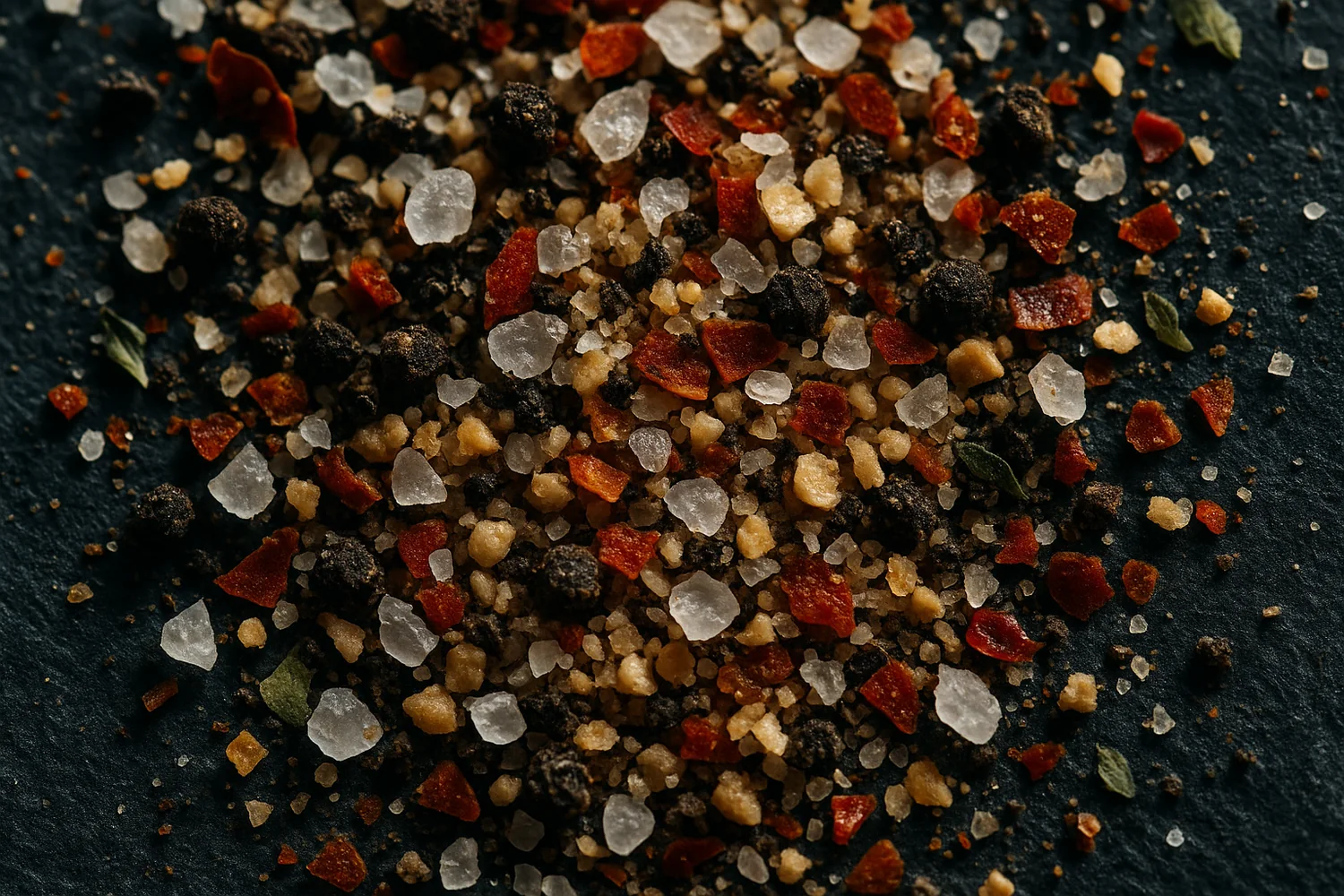
No. It is savory first: salt, garlic, black pepper and paprika, with enough chili pepper
to round it out. Kids eat it. If you want heat, add it yourself, which is the whole point
of an all purpose blend.
How do I actually get it?
What is in it?
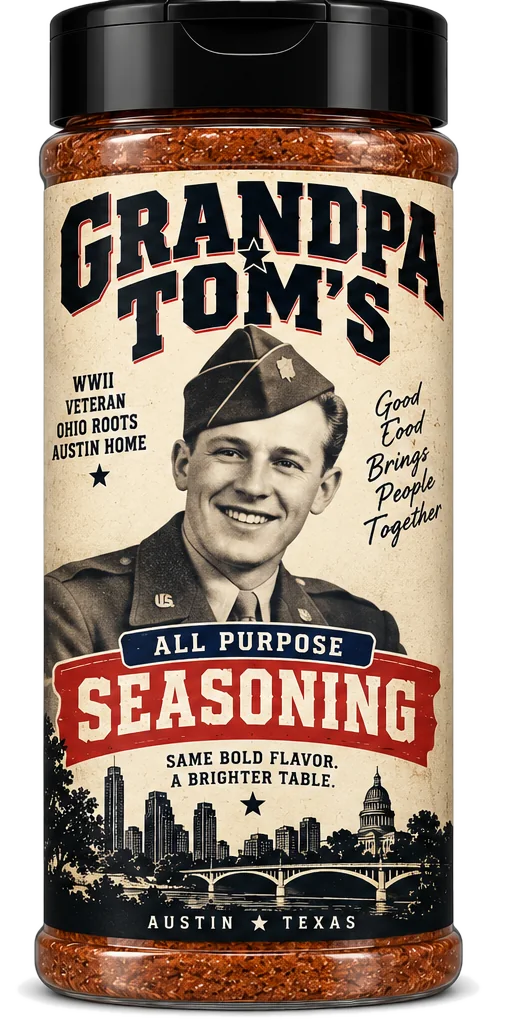
Salt, garlic, black pepper, paprika, onion, chili pepper, herbs, spices, natural flavor
and citric acid. The full deck is printed on every jar and listed above.
If you have an allergy, ask and we will tell you exactly what is in the natural flavor.
How much do I use?
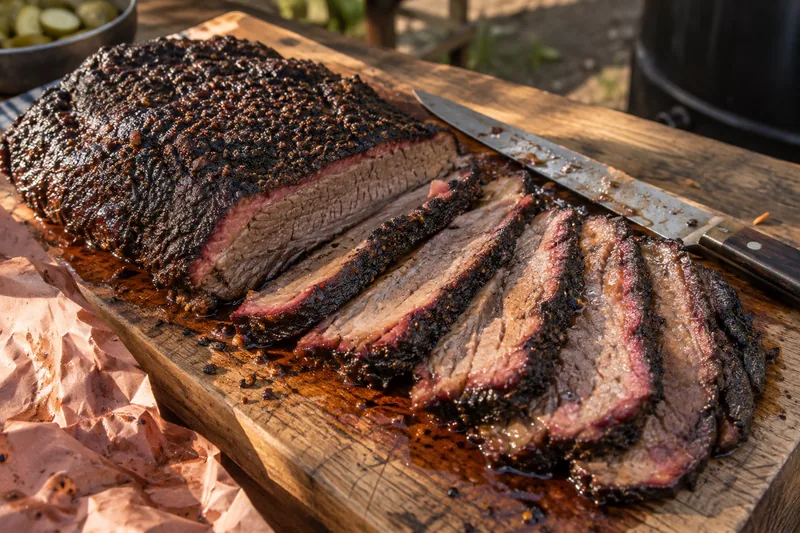
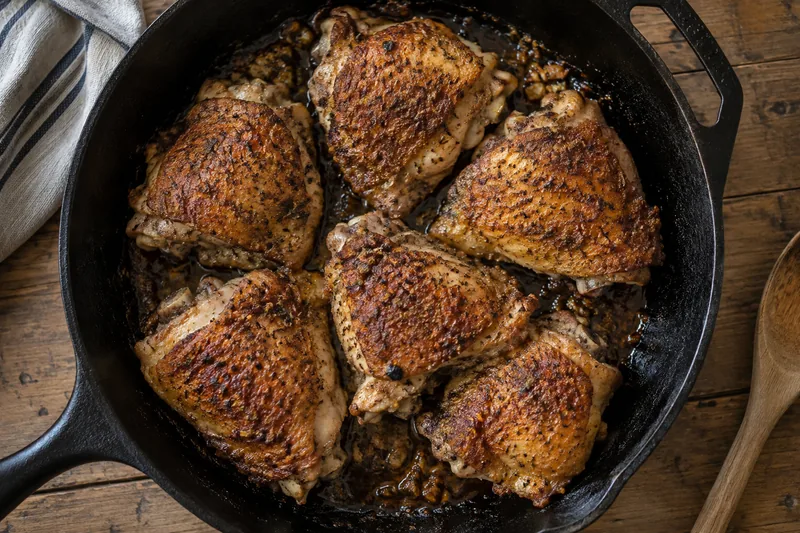
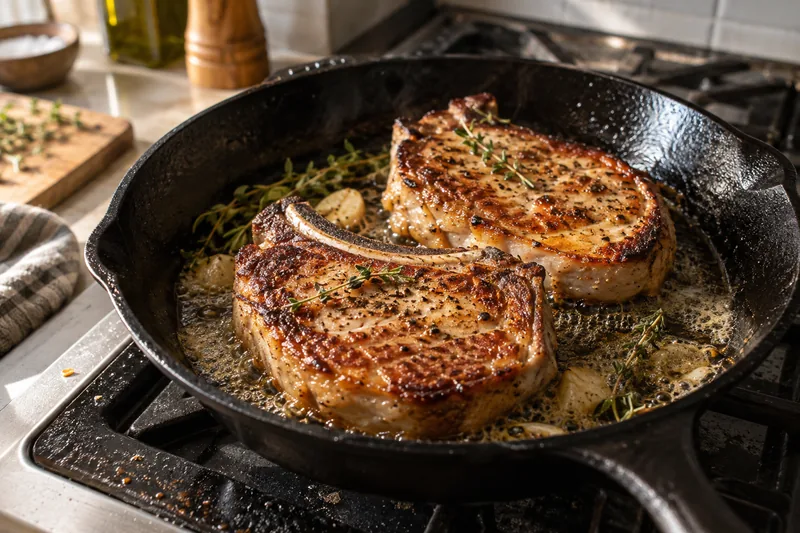
More than you think. A tablespoon per pound of meat as a rub, and on vegetables and eggs
treat it like salt. A jar that looks like a two month jar is usually a three week jar.
Do you sell wholesale?
Yes. Cases of 12 at $5.50 a jar, two case minimum to open an account, and the form above
goes straight to Mark.
Do I still add salt?
No, and this is the mistake most people make. Salt is the first ingredient, so this
blend takes the place of the salt in a dish. Season, taste, then adjust. There is more
on this above in the basics.
Is it gluten free? Vegan? Any MSG?
We are confirming the exact breakdown of the natural flavor in the blend before we answer this in print. If you need to know now, email us and we will tell you exactly what is in it.
How long does a jar last, and how should I store it?
A 5.5 oz jar is roughly 30 uses, so a few weeks if you cook most nights. Keep it closed,
dry, and out of the cupboard above the stove, which is the worst place in the kitchen for
a spice. It stays punchy for about a year from the batch date on the label.
Where do you deliver, and what does it cost?
Within [30 miles of your neighborhood]
in Austin. Delivery is free with a [$35]
minimum, and pickup at any market is free with no minimum. Full details are in our
delivery policy.
Ten dollars for salt and pepper. Why?
Fair question. A grocery shaker is cheaper and always will be. What you are paying
for is a blend somebody actually tuned, ground in small batches so it has not been
sitting in a warehouse for a year, and a person who refunds you if it is not good.
If you only ever want the cheapest salt, buy the cheapest salt. We mean that.
How fresh is it, really?
Every jar carries a batch code and a best-by date. We blend to order in small runs
rather than making a year of stock, so what you get is usually a few weeks old rather
than a few quarters. Ground spice fades. That is the single biggest difference between
this and a jar that has been on a shelf since last summer.
What if I am not home when you deliver?
Tell Mark where to leave it and he will. It is a sealed jar of dry seasoning, so a
porch, a back step or a neighbour is all fine. Nothing here melts or spoils.
Can I send it as a gift?
Inside Austin, yes, and Mark will deliver it to them instead of you. Outside Austin
we cannot mail food yet, but we can mail a sticker and a note while you wait.
Leave your email and you will know the day that changes.
What if I do not like it?
Tell Mark and he will refund the jar, opened or not. That is not a marketing line, it is
just cheaper than arguing about a ten dollar jar of seasoning.